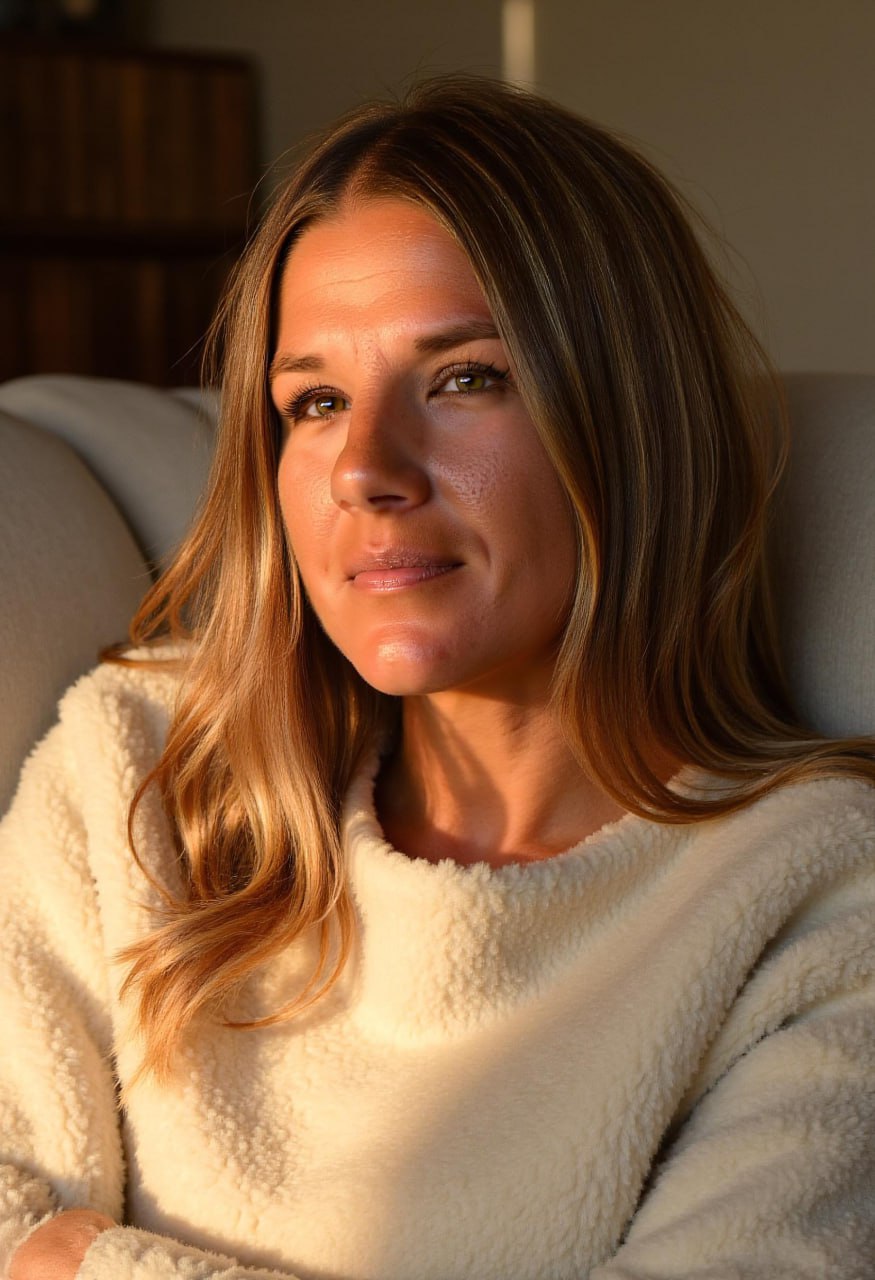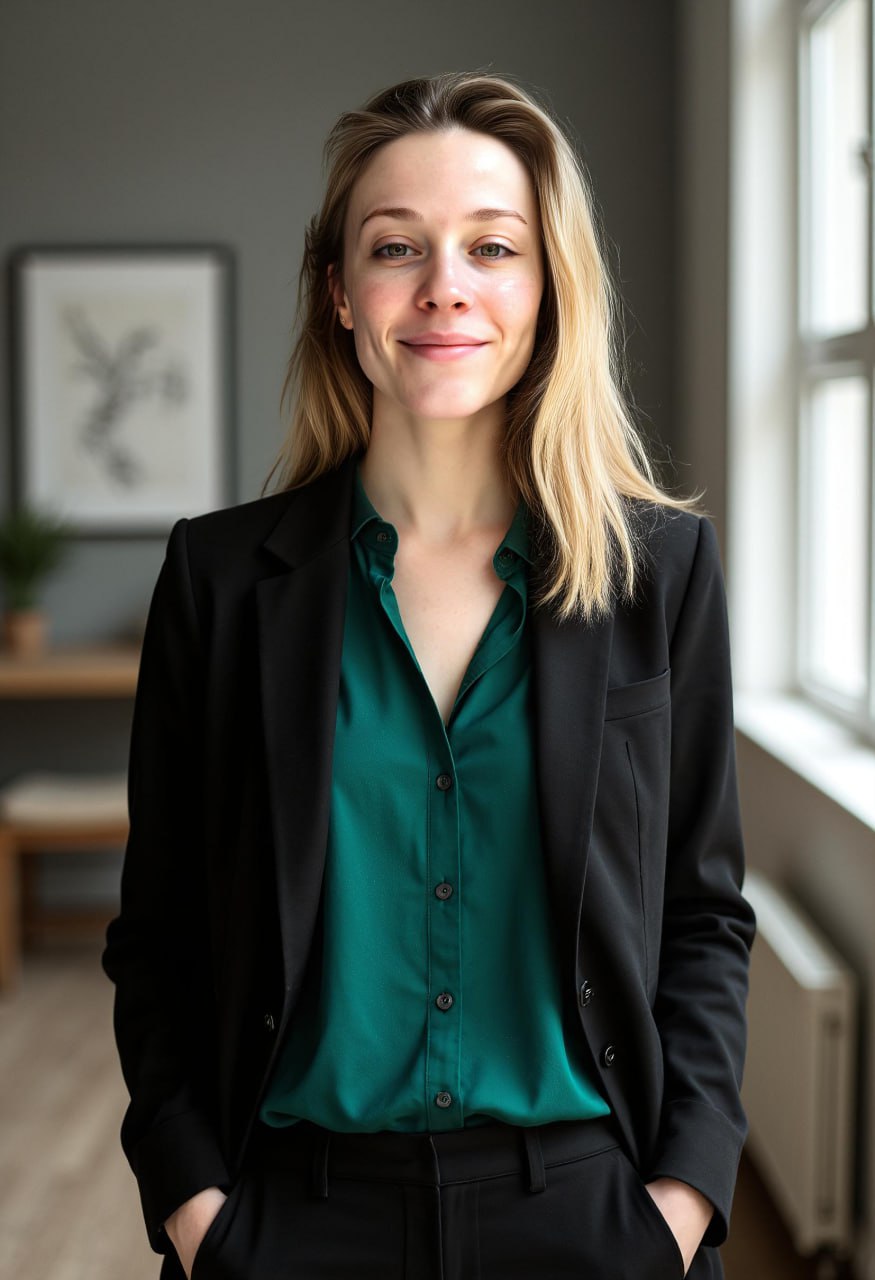
Your LinkedIn profile photo is working overtime. While you sleep, while you're in meetings, while you're not even thinking about job hunting — that small square image is out there making impressions on recruiters, potential clients, and professional connections around the world.
And here's the thing most people don't realize: with over a billion users now competing for attention on LinkedIn, the bar for what constitutes a "good" headshot has risen dramatically. What passed for professional five years ago now looks dated, and what looks dated gets scrolled past without a second thought.
The Numbers Tell the Story
LinkedIn's own research paints a striking picture. Profiles with professional photos receive 21 times more profile views and 36 times more messages than those without. But here's what the statistics don't capture: the difference isn't just between having a photo and not having one. It's about having the right photo.
Think about how you use LinkedIn. When you're scrolling through search results or reviewing who viewed your profile, you're making split-second judgments based almost entirely on that thumbnail image. Is this person someone I want to connect with? Do they look like they know what they're doing? Would I trust them with my business?
All of that gets decided in the time it takes to blink.
What Actually Makes a Great LinkedIn Photo
Forgot everything you've read about precise pixel dimensions and exact percentages of frame coverage. The truth is simpler and more intuitive than that.
A great LinkedIn headshot makes you look like someone people want to work with. That's it. Everything else is just technique in service of that goal.
The best photos strike a balance between professionalism and approachability. Too stiff and formal, and you come across as unapproachable or outdated. Too casual, and you might not be taken seriously in professional contexts. The sweet spot is looking put-together but human — competent but not intimidating.
Lighting plays a huge role here, though most people never think about it consciously. Good lighting — whether natural or professional studio lighting — eliminates harsh shadows and creates an even, flattering look. Bad lighting creates shadows under your eyes, highlights every imperfection, and can make even the most confident person look tired or untrustworthy.
Your background matters too, but probably not in the way you think. The goal isn't to have the most interesting background — it's to have one that doesn't distract from your face. Solid colors, simple gradients, or softly blurred environments all work well. That bookshelf behind you in your home office? It's probably pulling attention away from where it should be: on you.
The Clothing Question
What you wear in your headshot sends signals about who you are and what kind of work you do. The key is matching your attire to your industry and the impression you want to make.
In conservative fields like finance, law, or corporate consulting, traditional professional attire still carries weight. A well-fitted blazer or suit jacket instantly communicates that you understand and respect professional norms. In tech, startups, or creative industries, that same outfit might actually work against you, making you seem out of touch with the culture.
The universal rules are simpler: avoid busy patterns that look chaotic on camera, choose colors that complement rather than wash out your skin tone, and make sure whatever you wear fits well and looks intentional. Wrinkled shirts and ill-fitting jackets read as carelessness, regardless of your industry.
The Mistakes That Kill Your Chances
We've all seen them — the cropped vacation photos where you can still see someone's arm around the subject's shoulder. The selfie with the telltale angle and extended arm barely out of frame. The party photo hastily converted to a professional image.
These choices communicate something, just not what you want them to. They say: I didn't think this was worth investing time or effort in. In a professional context, that's not the message you want to send.
Outdated photos create their own problems. If your headshot is from 2018 and you've changed significantly since then, you're setting up every video call and in-person meeting to start with a moment of confusion. People expect to see the person they saw in the photo, and when reality doesn't match, trust takes an immediate hit.
The Modern Alternative
Traditional headshot photography involves scheduling a session weeks out, traveling to a studio, spending an hour or more shooting, and then waiting days for edited results. It works, but it's not practical for everyone — especially remote workers, job seekers who need results quickly, or professionals who simply can't justify the time investment.
This is where AI headshot services have genuinely changed the game. The technology has advanced to the point where you can upload a handful of casual selfies from your phone and receive dozens of studio-quality professional headshots within hours. The results are virtually indistinguishable from traditional photography, at a fraction of the cost and without the logistical hassle.
Whether you go traditional or AI-generated, the goal remains the same: a current, professional, well-lit image that makes people want to connect with you. In 2025's competitive professional landscape, that's not vanity — it's smart career management.