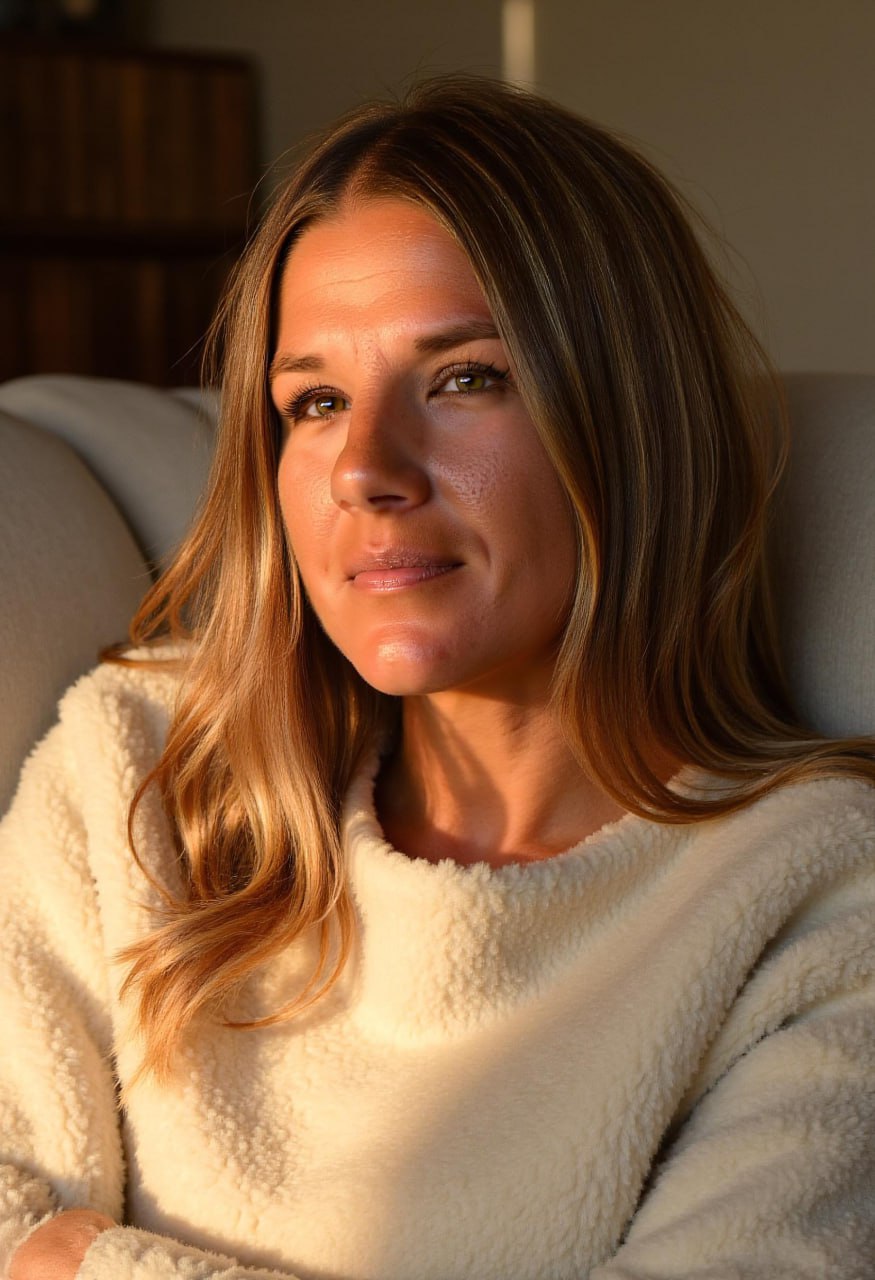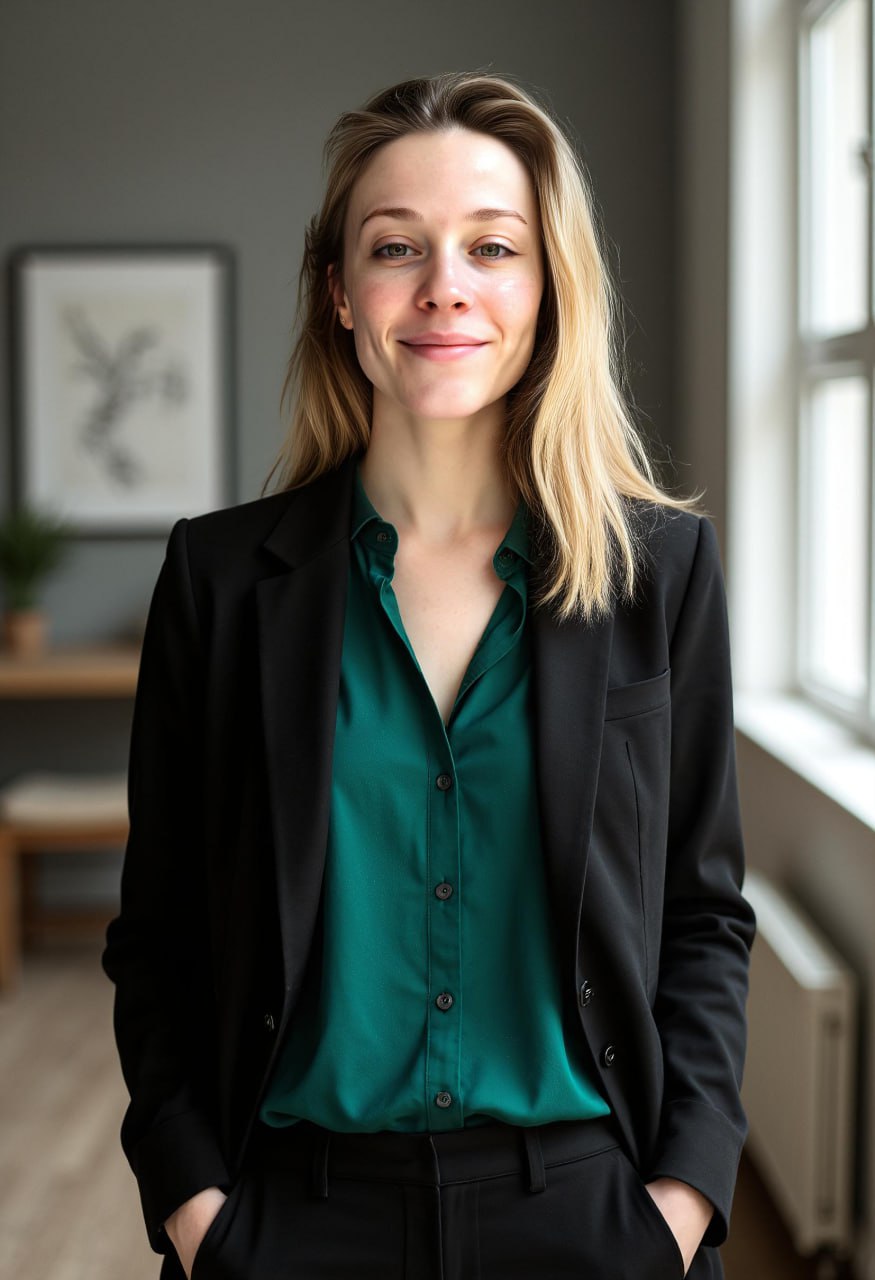
The shift to remote work changed a lot of things about professional life, but there's one change that doesn't get talked about enough: how we visually represent ourselves has never mattered more.
When you work in an office, your colleagues form impressions of you through hundreds of small interactions. They see you in the hallway, grab coffee with you in the break room, pass you in meetings. Each encounter adds texture to their understanding of who you are. Your professional photo is just one data point among many.
Remote work flips that equation. For many of your colleagues, clients, and professional connections, your headshot might be the only visual they ever have of you. It appears in Slack, in Teams, in Zoom waiting rooms, in email signatures, on your company's website. That single image is doing the heavy lifting that used to be distributed across countless in-person moments.
The Unique Challenge
Remote workers face a particular headshot challenge that office-based professionals don't. When you commute to an office, you have a reason to look professional every day. There's a mental and physical transition between home and work. You put on work clothes, maybe do your hair differently, present a certain version of yourself.
Working from home erases that boundary. You might spend months in comfortable clothes, hair doing whatever it does naturally, without ever needing to look "professional" in the traditional sense. Then suddenly you need a headshot, and the gap between your daily appearance and your professional image feels wider than it would if you were commuting to an office every day.
There's also the practical matter of where to take the photo. Not everyone has a home office that looks appropriate for a professional background. The ring light aesthetic of so many video calls can start to feel more YouTube influencer than corporate professional.
What Actually Works
The best remote work headshots thread a needle. They need to look professional enough for corporate contexts while remaining approachable enough for the more informal culture that remote work tends to create. You're not showing up to a corner office, so looking like you are can actually seem out of touch.
Think about the impression you want to create. For most remote workers, the goal is something like "competent, friendly, and someone you'd enjoy having on a video call." That suggests professional attire that's a step below formal, genuine warmth in your expression, and a background that's appropriate without being aggressively corporate.
Lighting becomes particularly important in this context. Remote workers are constantly on video calls, and good lighting in your headshot signals that you take your remote setup seriously. It suggests someone who's invested in presenting well in this environment, not someone grudgingly working from their couch.
The Clothing Strategy
Here's a useful framework for remote work headshots: dress one notch above your typical video call attire. If you usually take calls in a nice t-shirt, shoot your headshot in a casual button-down. If you're usually in business casual, consider a blazer.
Colors matter more than you might think. Solid, muted tones photograph beautifully and read as professional without being stuffy. Navy, charcoal, forest green, burgundy — these colors work across skin tones and don't distract from your face. Busy patterns, bright colors, and stark white can all create visual noise that pulls attention away from where it should be.
The key principle is that your headshot should feel like a slightly elevated version of your actual self. When someone who's only seen your headshot meets you on a video call for the first time, they should think "yes, that's the person I was expecting," not "who is this?"
The AI Advantage for Remote Teams
Remote work and AI headshots are a natural match, which is probably why so many distributed teams have adopted them. The logistics that make traditional headshot photography challenging — coordinating schedules, traveling to a studio, carving out time in already busy days — are amplified when your team is spread across time zones and geographies.
AI headshots eliminate those barriers entirely. Each team member can upload photos on their own time, from wherever they are, and receive consistent, professional results. The style and background can be standardized across the team for a cohesive company page, or varied to let individual personality come through.
For remote workers who need to update their headshot periodically — maybe you changed your hair, or it's just been a few years — the ability to refresh your image without scheduling a studio session is genuinely valuable. It removes the friction that causes so many people to let their professional photos go stale.
Making It Count
Your headshot is working for you around the clock, making impressions on people you'll never meet in person. For remote workers especially, it's often the only visual representation of you that exists in your professional world.
That doesn't mean you need to stress about it endlessly. It means you should invest the relatively small amount of time and thought required to get it right. A professional, current, well-lit headshot that accurately represents who you are is one of the highest-return investments you can make in your remote work presence.